GANSW Pattern Book Competition - SWAA x Clare Design
-
The NSW Government ran an international design competition to seek ideas for the NSW Housing Pattern Book and guide the creation of new low-and mid-rise housing in New South Wales.
SWAA partnered with Clare Design for the competition.
Our response was the belowLiveable
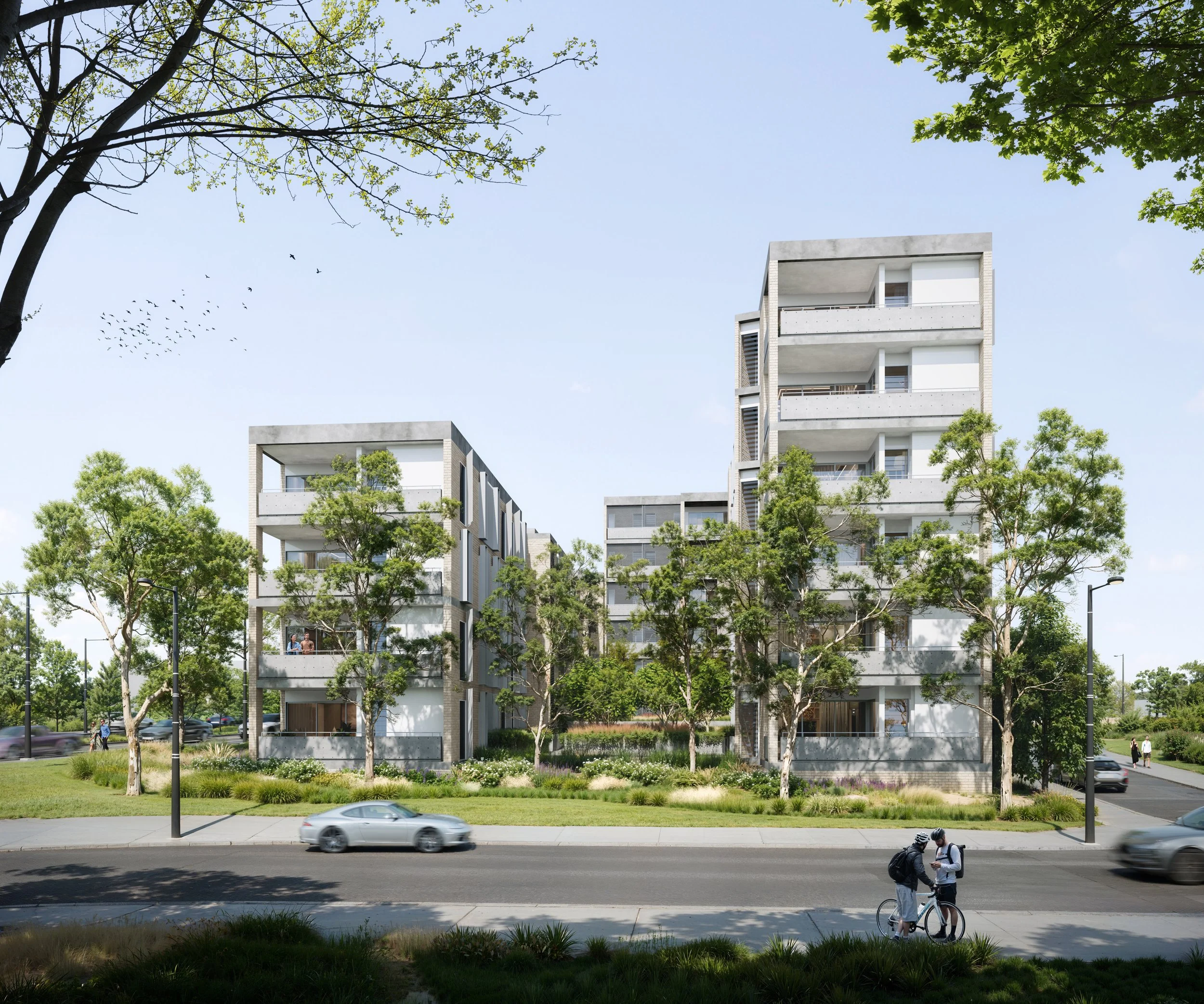
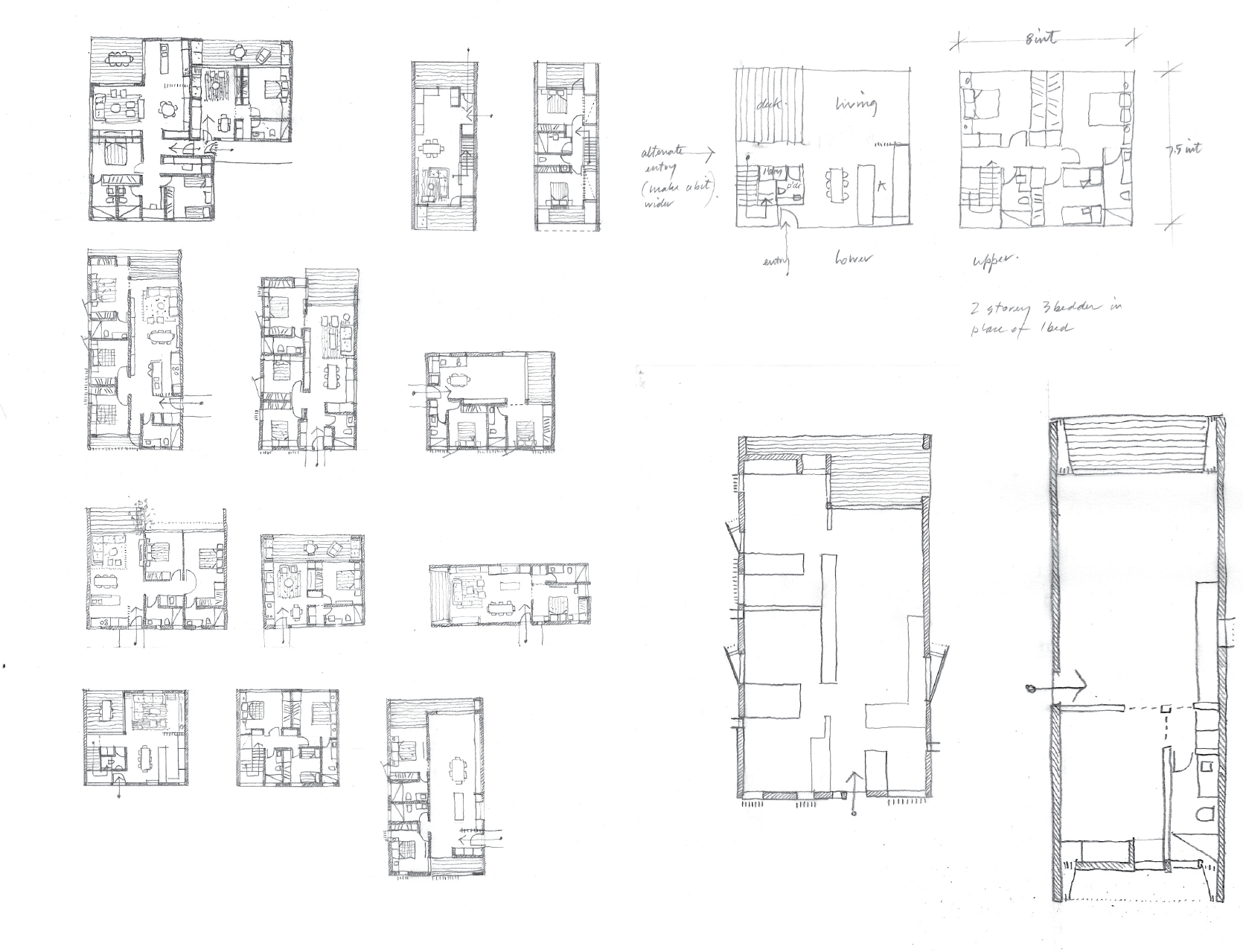
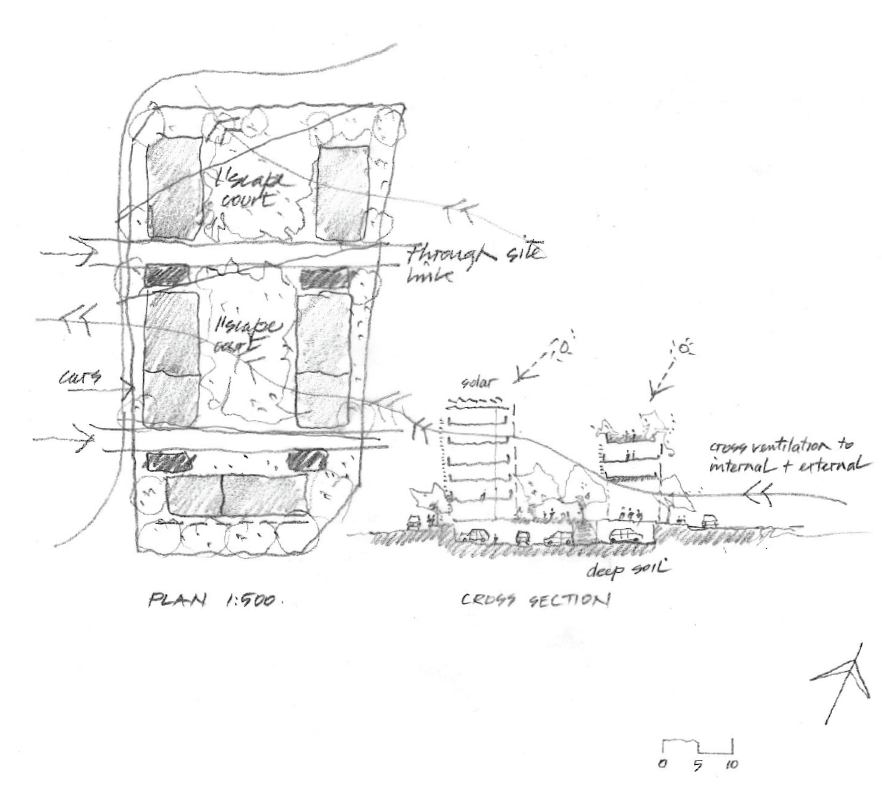
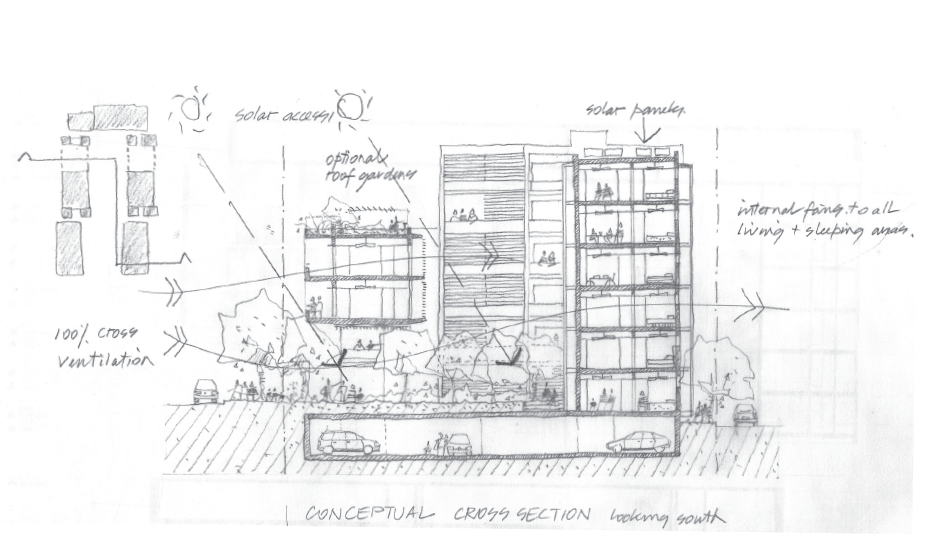
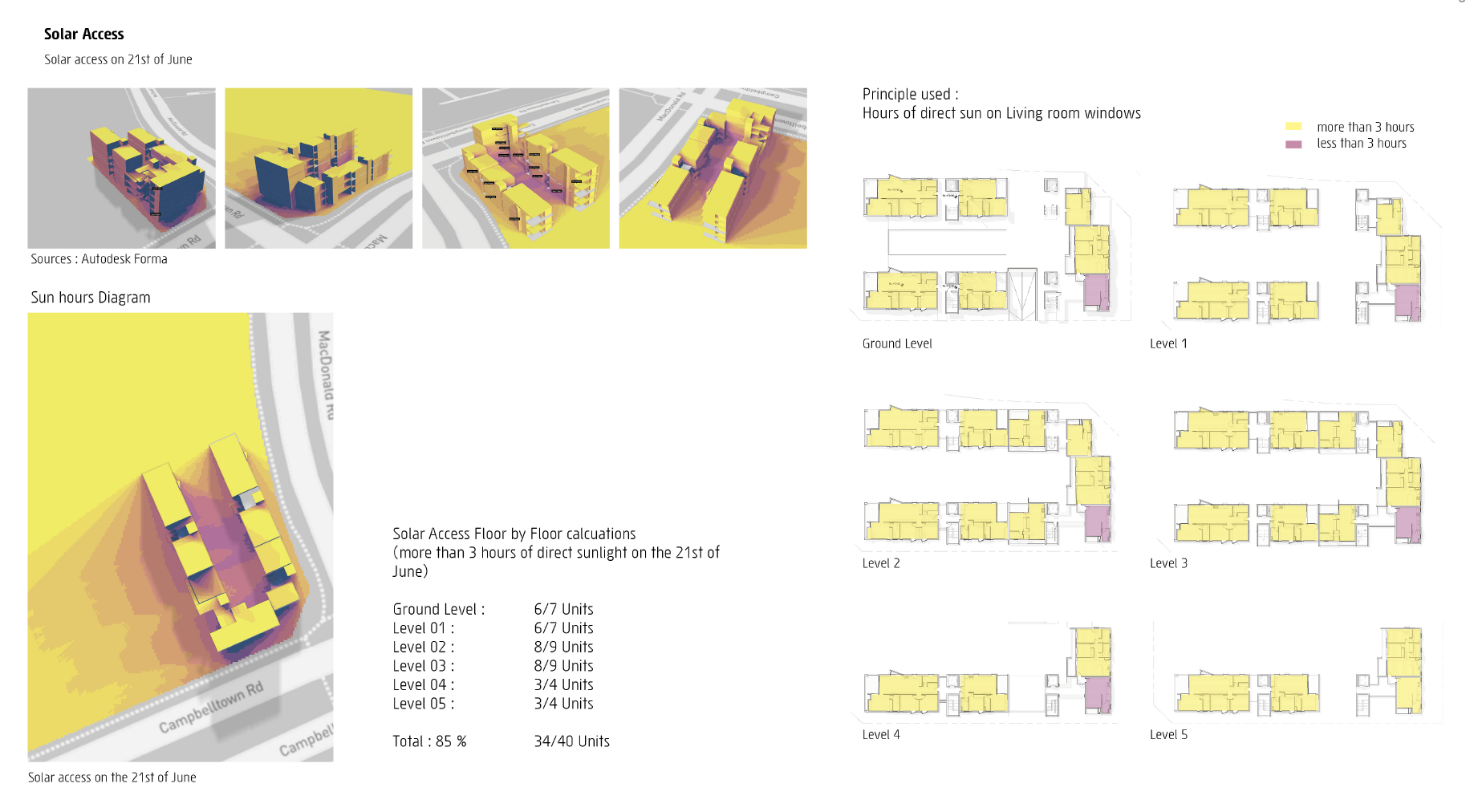
We have designed a series of apartment types that can be used in diverse configurations. All can be cross ventilated, connected to landscape, vistas and views, enjoy winter sun and maintain privacy for high amenity. The apartments can be adapted to today’s many different family and co-habitation living patterns.
Buildable
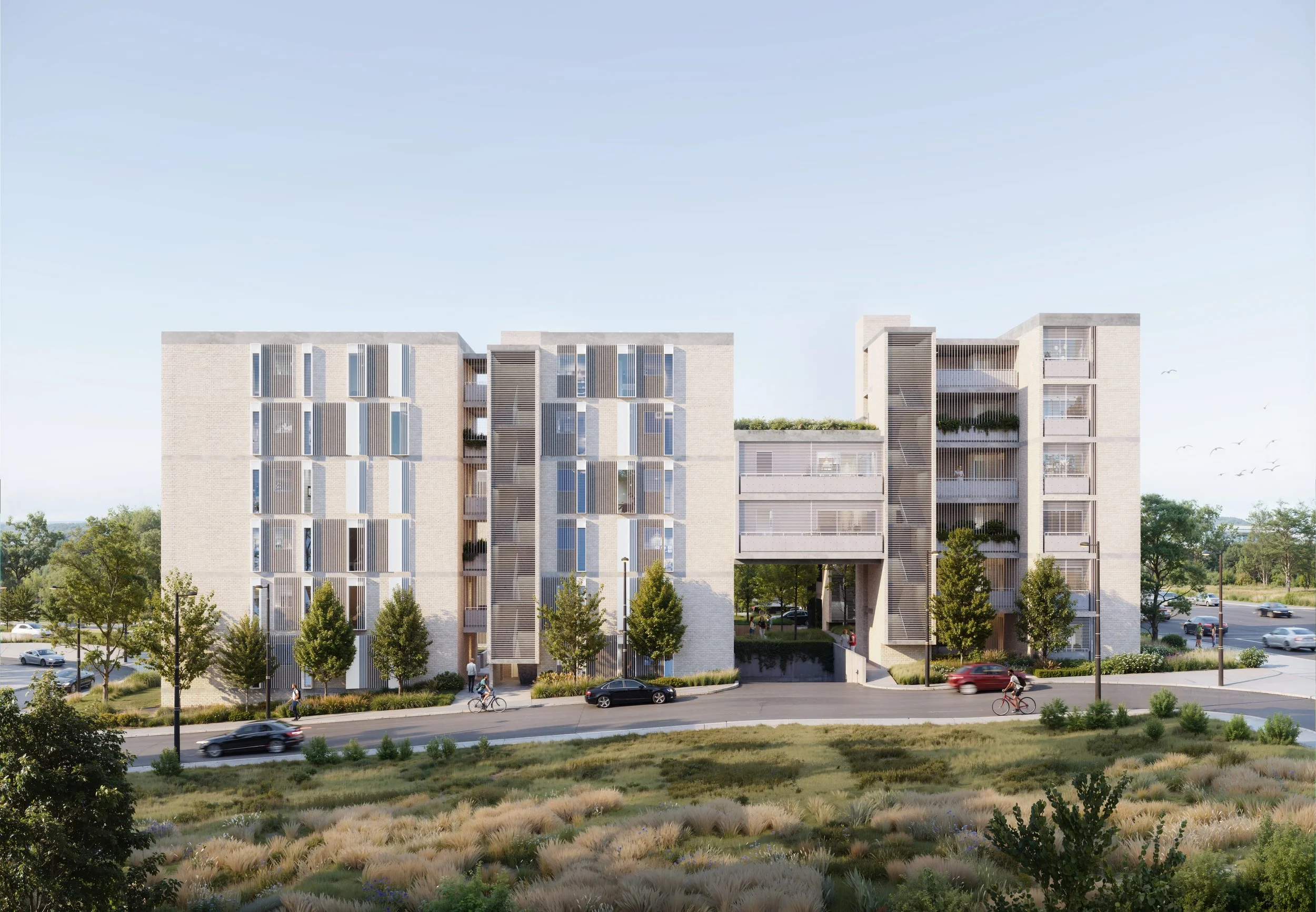
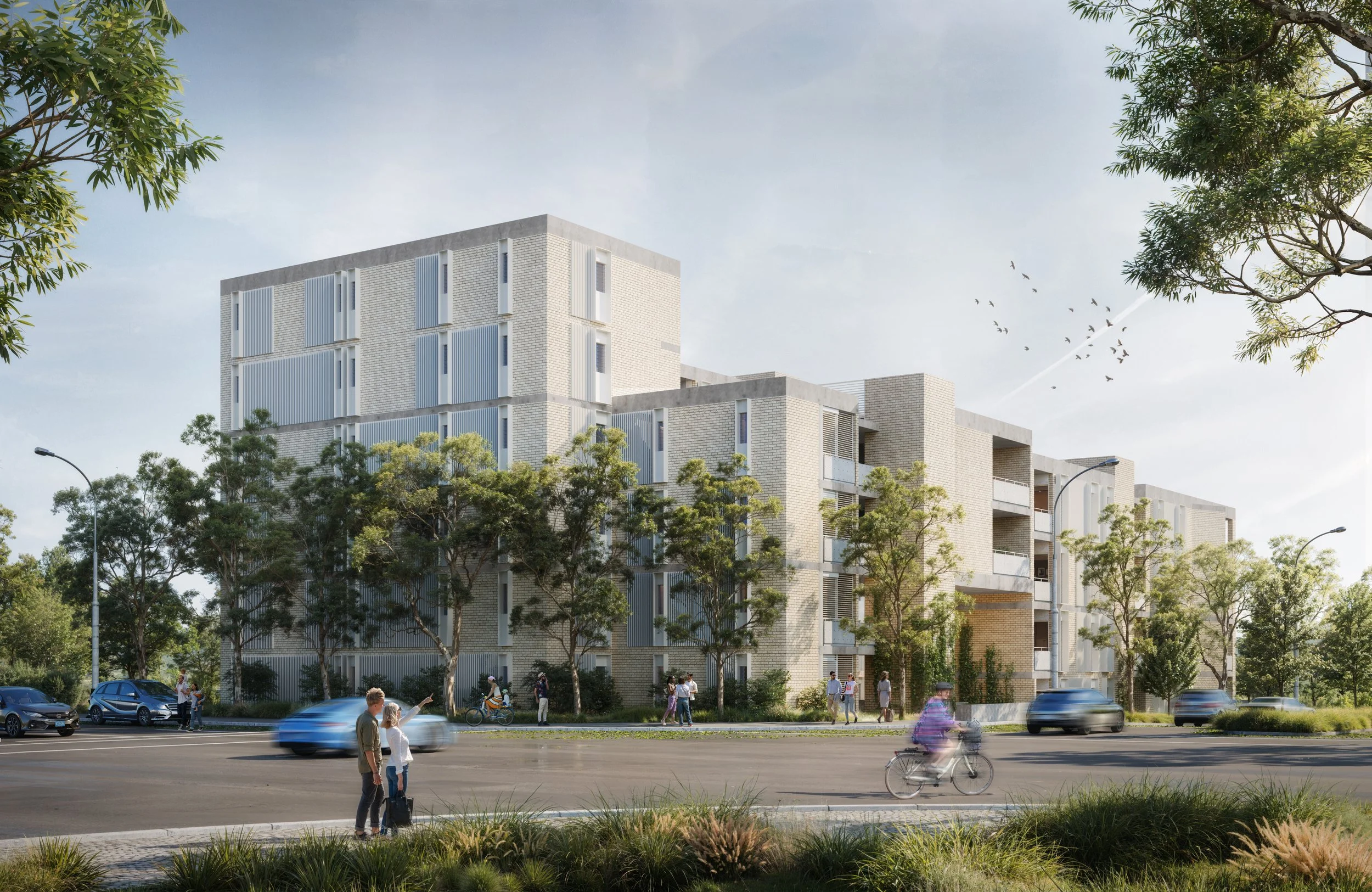
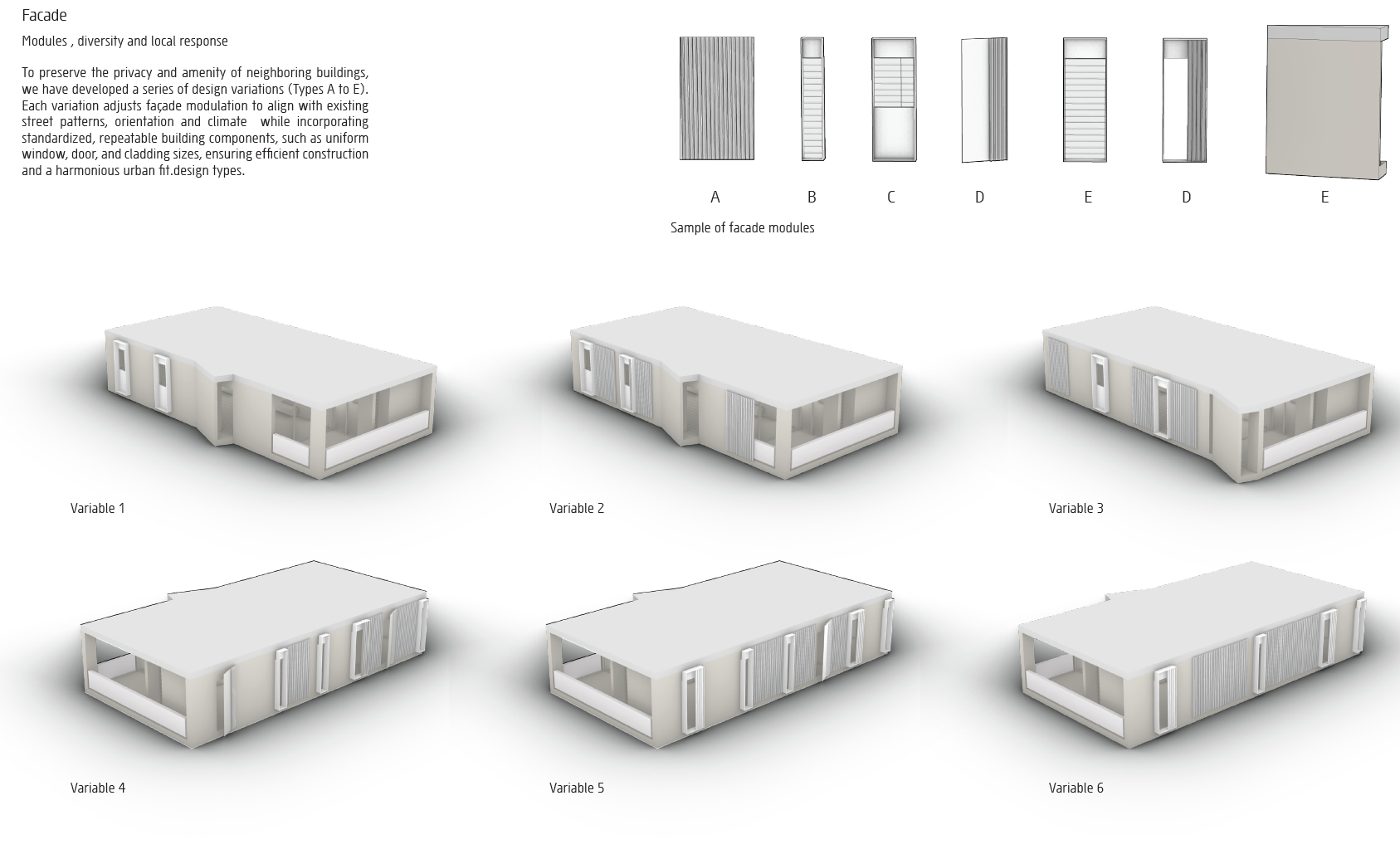
Our plans set the framework for a variety of construction methods that can optimise prefabrication, modular and panelised systems. Facades can be precast panels, masonry or lightweight materials and rainscreens, along with others. A selection of panelised window treatments can be used to easily address orientation, privacy, noise and weather conditions. Floors can be concrete, hollow core, mass timber or timber cassettes with topping for thermal mass. Walls can utilise traditional masonry construction or new wall systems to meet performance requirements. These systems lend themselves to Modern Methods of Construction (MMC) and lean construction principles the enable operational excellence to be leveraged.
Replicable
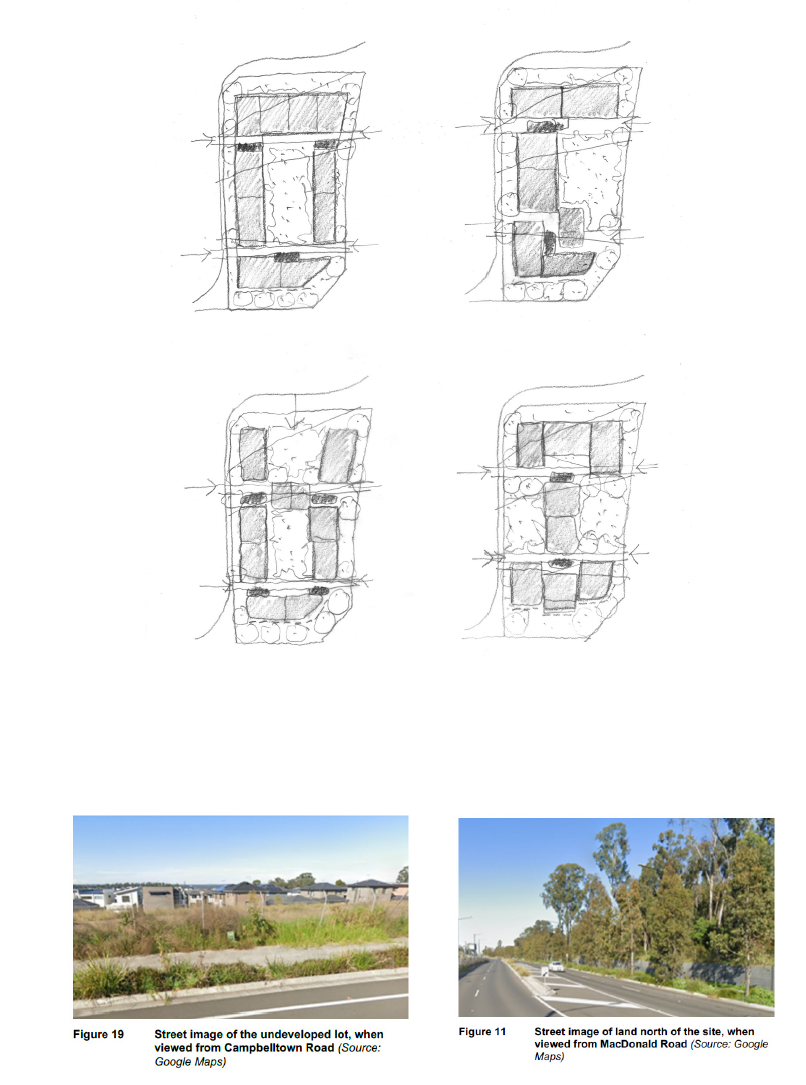
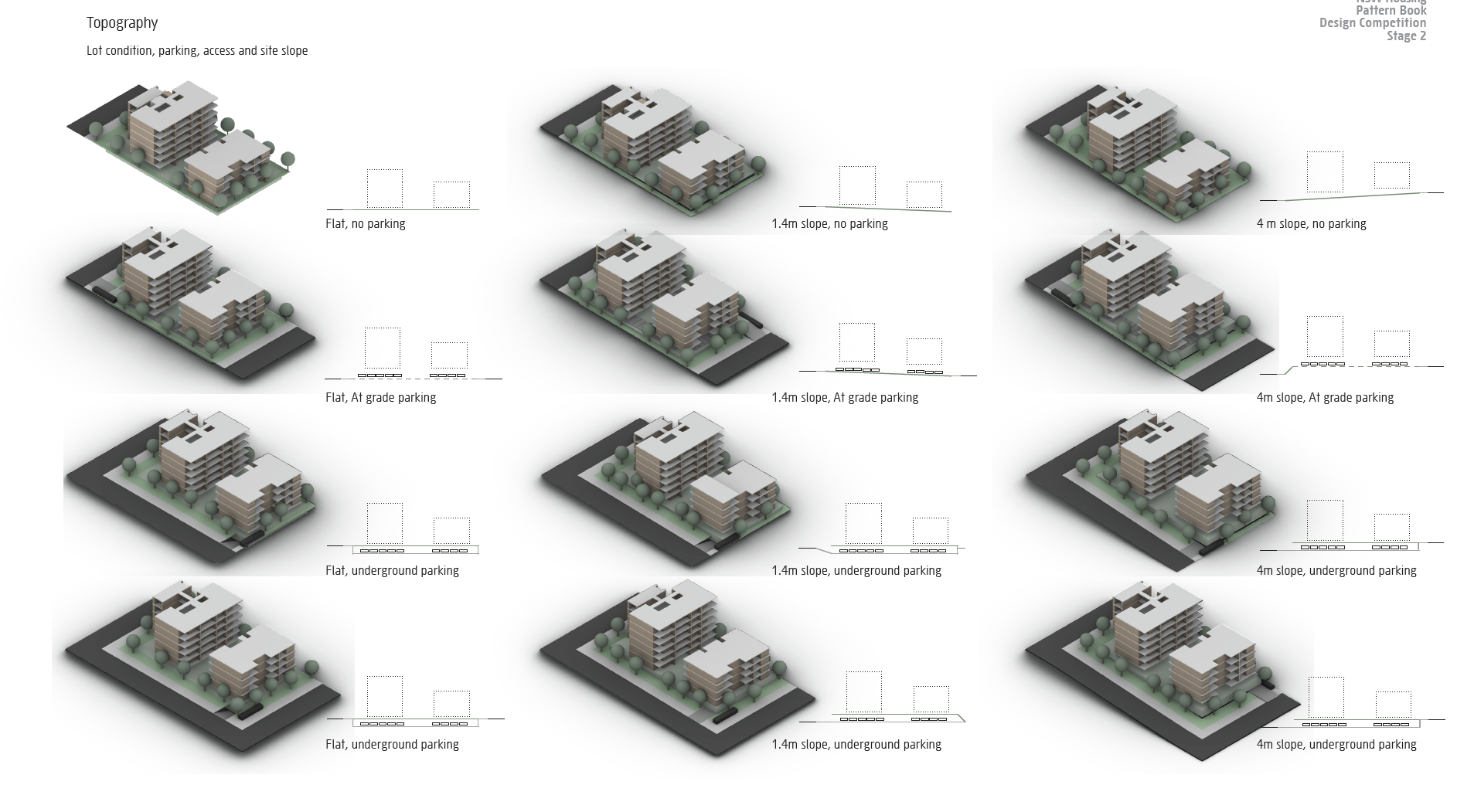
We have tested our plans in different contexts, orientations, with different contours, circulation options and entry points. Panelised façade elements, vertical window plenums and sun shading options are easily adapted to different sites for appropriate environmental responses. Standardised bathroom pods and kitchens are used to achieve efficiency of manufacture, repeatability, and control of quality and cost.
Cost effective
The approach in the site specific response and pattern are based upon simple and pragmatic construction approaches that do not compromise on amenity. Principles such as repetition of elements, 90-degree joins and simple interfaces to minimise detailing, avoidance of substantial structural transfers and spans, interchangeable façade elements underpin the pattern designs. The patterns enable the use of offsite panelisation or modularisation to save time, money, material waste, and reduction of weather delays along with the benefits of increased construction quality, precision and coordination, increased safety, and enabling workforce diversity.
Sustainable
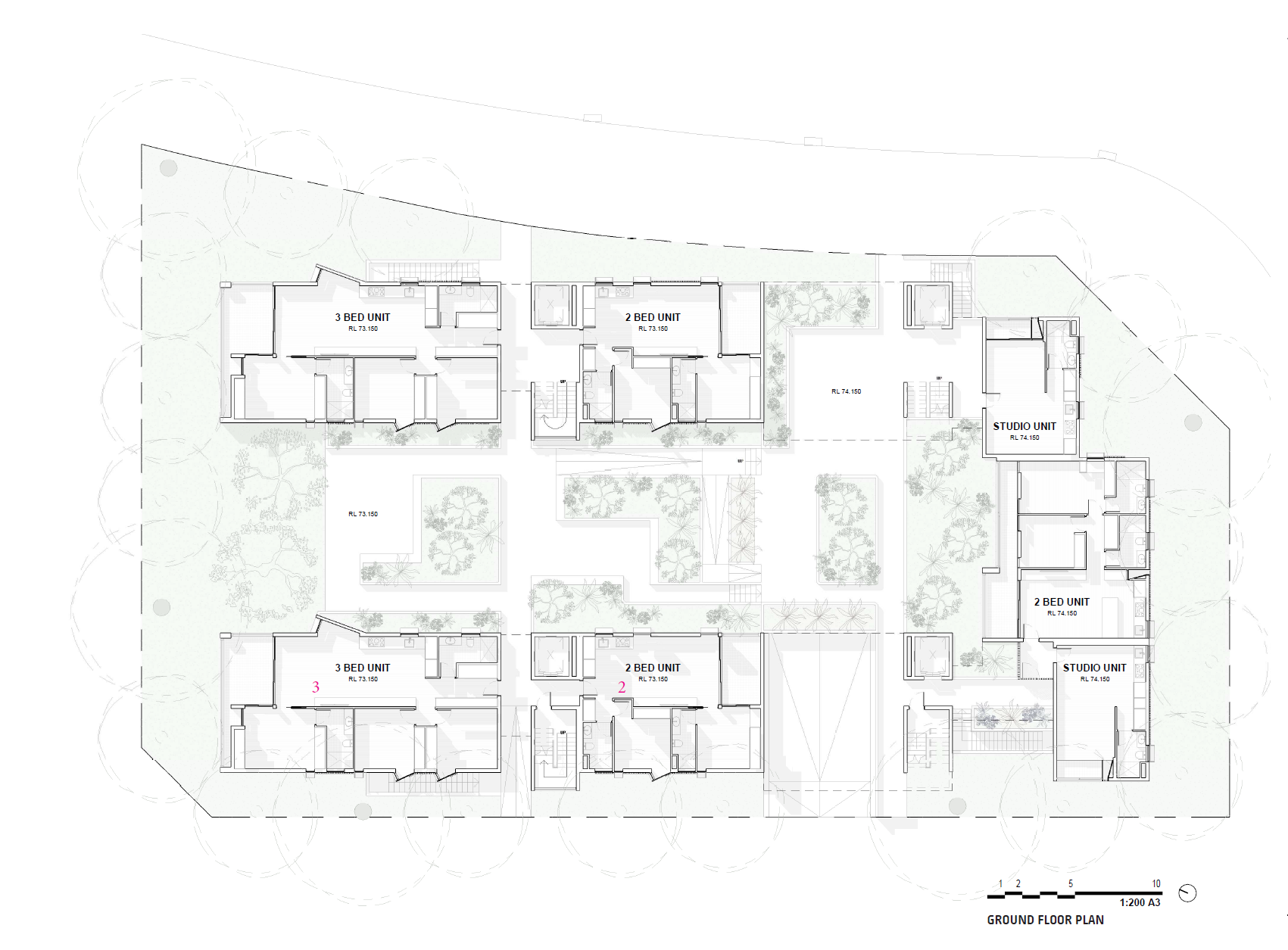
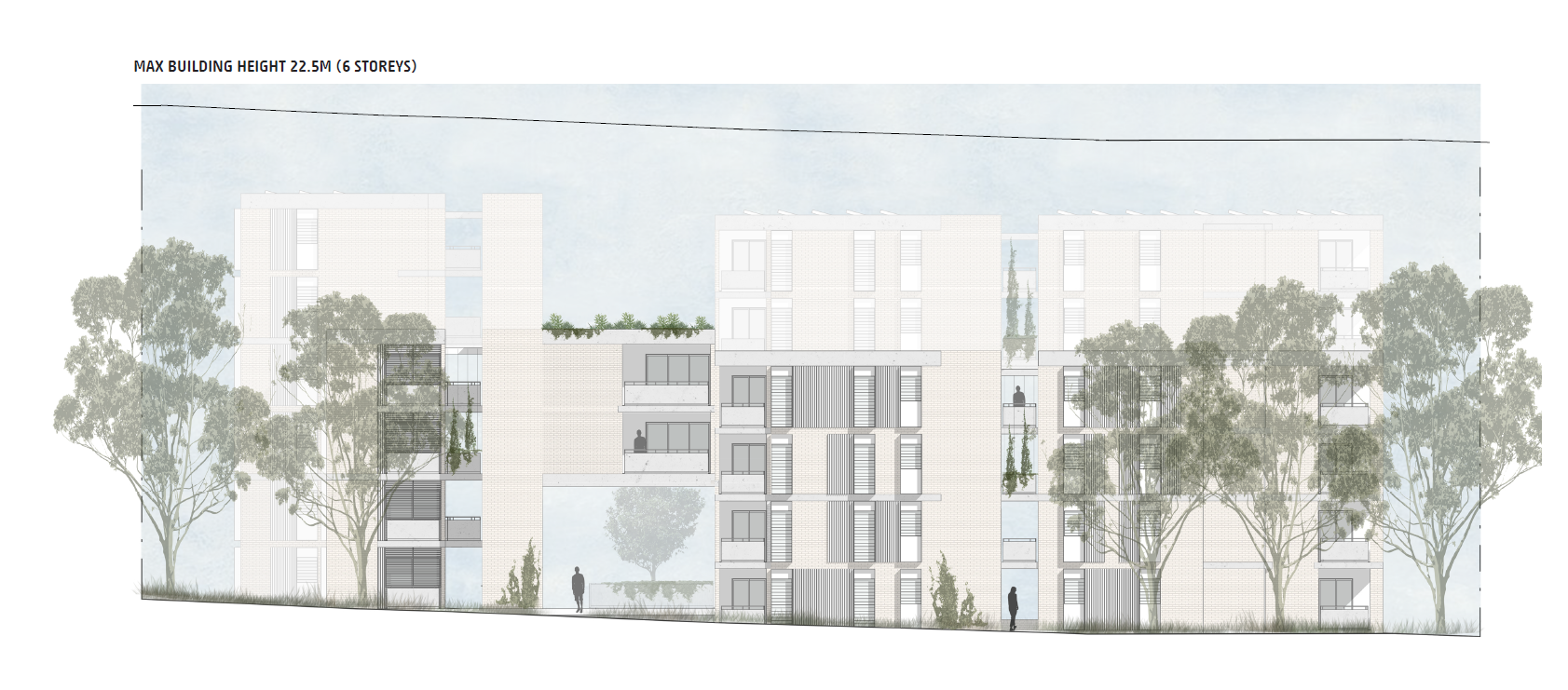
The site specific scheme shown indicates masonry construction which can include the use of prefabricated and factory assembled components to reduce construction material waste. The proposed patterns enable low-embodied carbon construction, circular construction (design for disassembly), and low-operational energy/net-zero energy operation through passive design strategies, renewables, and appropriate thermal mass and shading. The proposals herein include a range of unit types to achieve more adaptable social variety. Public and community open space and unit types that cater to a blend of social background enable a socially sustainable development with wellbeing for occupants the key priority. Meeting community and industry needs New apartment buildings can use our kit-of-parts approach to be constructed more quickly and economically without loss of quality. The broad selection of materials that can be used allows for designers to choose finishes appropriate to contexts and that meet local environmental, regulatory, and contextual requirements.
-
Complete 2016
-
Architecture - @studioworkshop